
Your ophthalmologist
[Doctor’s name]
Ophthalmic surgeon
[The real biography goes here: education, specialty training, clinical experience and areas of expertise.]
- [Degree and specialty]
- [Further training]
- [Scientific societies]
Eye clinic
We examine, monitor and treat eye conditions, with time for every patient and explanations you can follow.
Move your cursor over the image to bring it into focus.
Keep reading
Vision rarely changes overnight. Your eyes adapt, your brain fills in the gaps, and blur slowly becomes normal. That is why regular check-ups catch what you never get the chance to notice.
Vision simulator
Choose a condition and drag the divider to compare it with healthy vision.
 Myopia
Healthy vision
Distant objects blur while nearby objects stay clear.
These images are illustrative. Symptoms differ from person to person.

2.2 billion
people worldwide live with a near or distance vision impairment.
In at least 1 billion of these cases, the impairment could have been prevented or has yet to be addressed.
Short self-check
Eight simple questions, about one minute. The letters come into focus as you answer.
This self-check is for information only. It is not a diagnosis and does not replace an eye exam.
Your answers stay in this browser. They are not saved or sent to the clinic.
Services
From the routine check-up to the treatment of chronic conditions.
 Eye exams
A complete check of your vision and eye health.
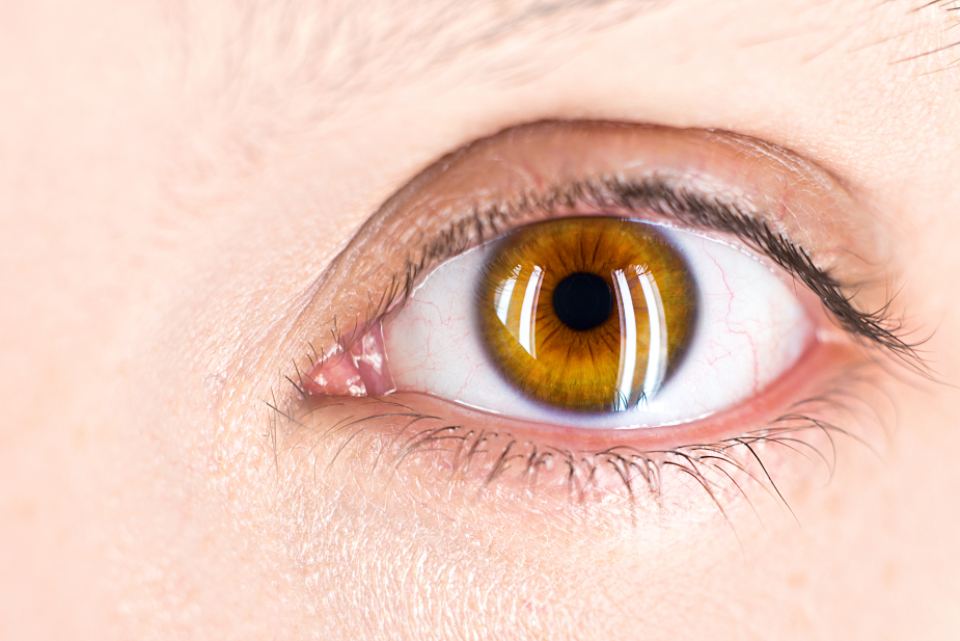 Cataract
When the lens of the eye clouds and colours fade.
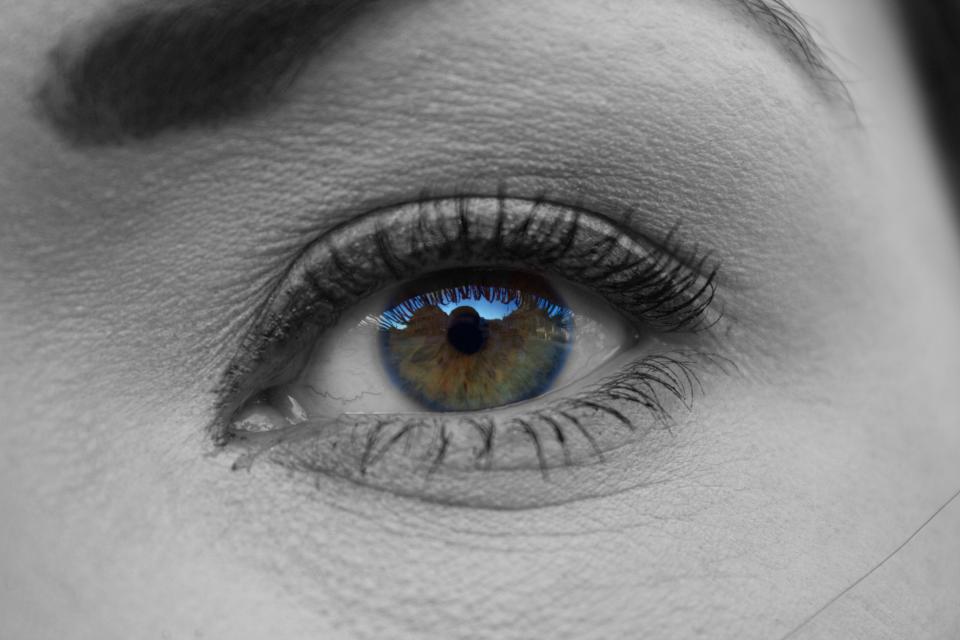 Glaucoma
A silent condition that regular check-ups can catch.
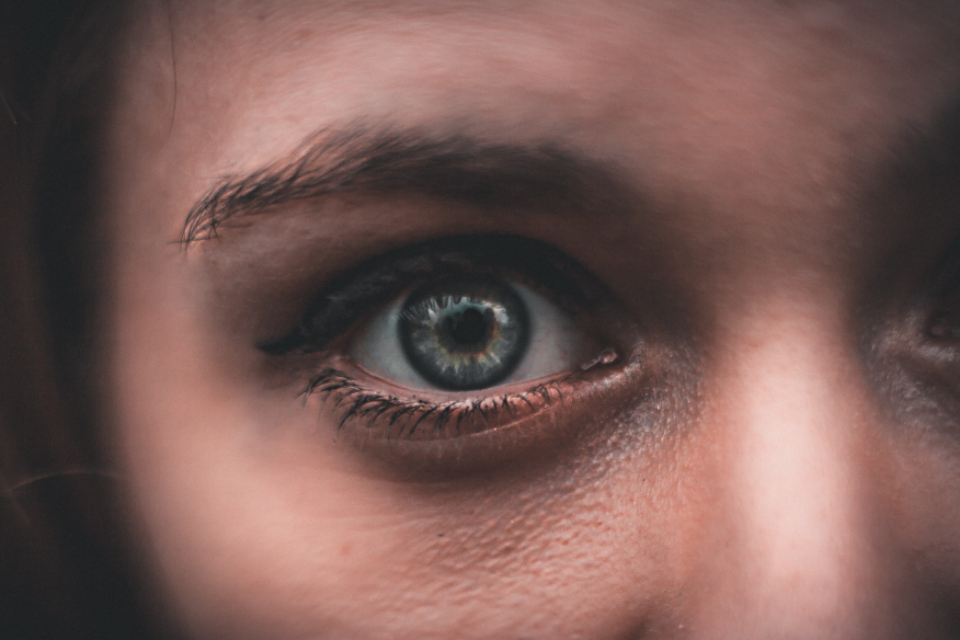 Keratoconus
A progressive change in the shape of the cornea.
 Refractive laser
Laser treatment for myopia, hyperopia and astigmatism.
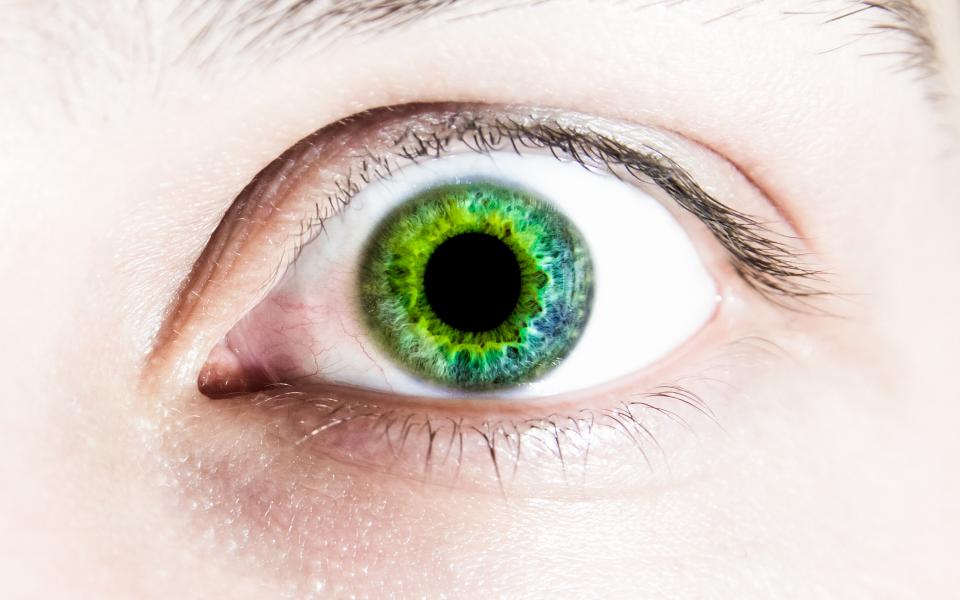 Retina
Macular degeneration, diabetic retinopathy and detachment.
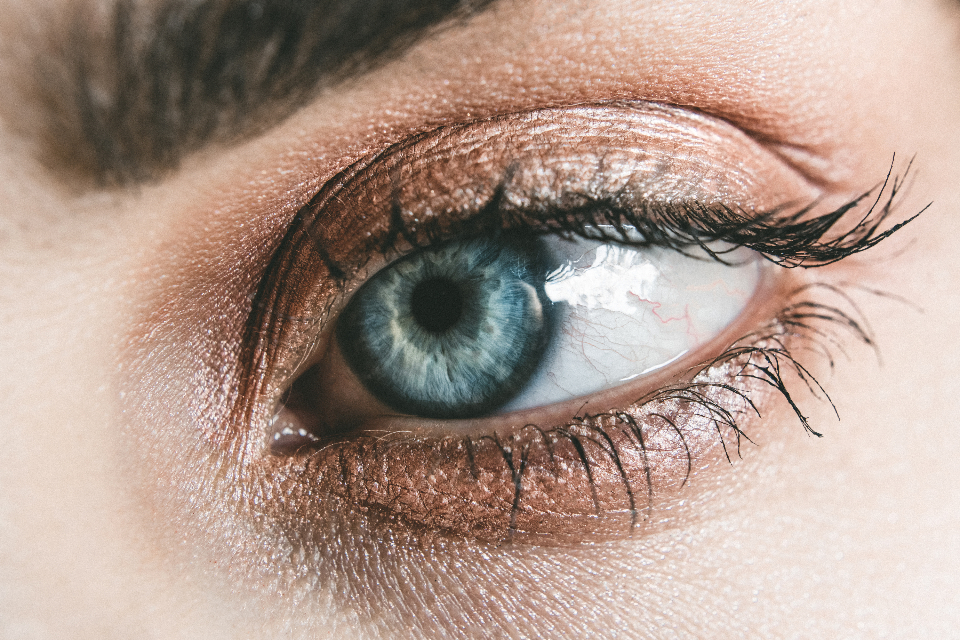 Dry eye
Eyes that sting, redden or tire easily.
 Children’s eye care
Vision and squint checks for children.

Your visit
Your history, medicines, symptoms and anything that concerns you.
Visual acuity and refraction for near and far.
Eye pressure, the cornea and the back of the eye, with dilation when needed.
You learn what we found, what it means and what comes next.
Your ophthalmologist
Ophthalmic surgeon
[The real biography goes here: education, specialty training, clinical experience and areas of expertise.]
Common questions
The American Academy of Ophthalmology recommends a complete exam every 5 to 10 years under age 40, and every 1 to 2 years from age 65. If you have diabetes, a family history or symptoms, your ophthalmologist may advise more frequent exams.
Your glasses or contact lenses, a list of your medicines and any earlier eye test results.
If your pupils are dilated, your vision blurs and your eyes are more sensitive to light for a few hours. It is best not to drive, and to bring sunglasses.
Contact an ophthalmologist immediately if you get sudden flashes of light, many new floaters, a shadow in your side vision or a curtain over part of your vision. The same applies to sudden loss of vision, severe pain or an eye injury.
Ideally every child is checked before starting school, and earlier if you notice a squint, holding objects very close or frequent eye rubbing.
Appointments
Fill in the form and we will call you to arrange a time that suits you.